

In this process, I’ll walk you through the key steps I follow to build a professional environment, from the initial setup to final refinement.
The focus is not only on achieving a polished result, but on understanding how light, structure, and materials work together to create a believable and compelling scene.
So… are you ready? Let’s dive in
Extra step – Line & Base Preparation
Here I share an extra step that is not always part of a traditional illustration workflow.
Since my sketches are often very simple, I take the time to trace clean linework as a preparatory stage.
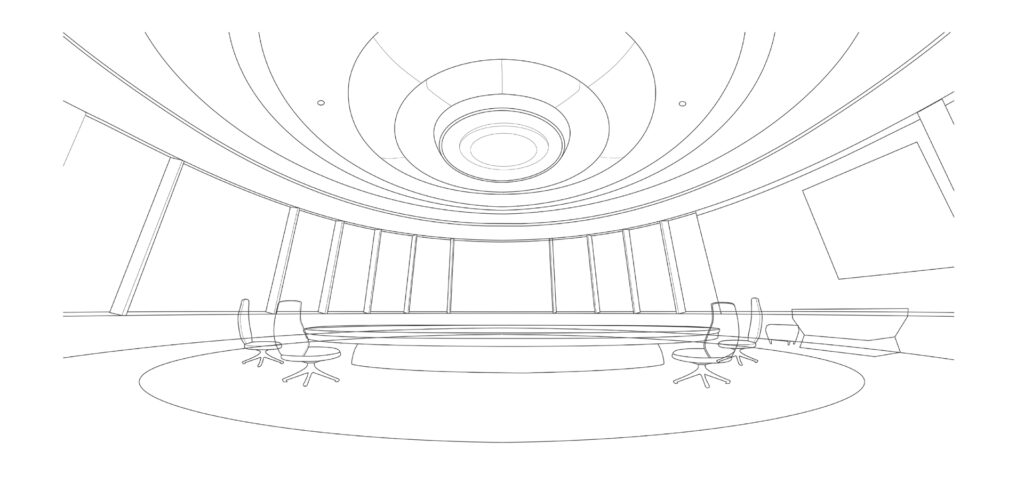
I do this for two key reasons:
- To define contours and guide lighting details from the start.
This helps me anticipate how light will behave on edges and surfaces, resulting in a much more refined finish once the artwork is brought into Photoshop. - To build clean and precise base shapes in Illustrator.
Working in Illustrator allows me to achieve smooth, controlled curves and solid color bases, creating a polished foundation before moving into more complex lighting work.
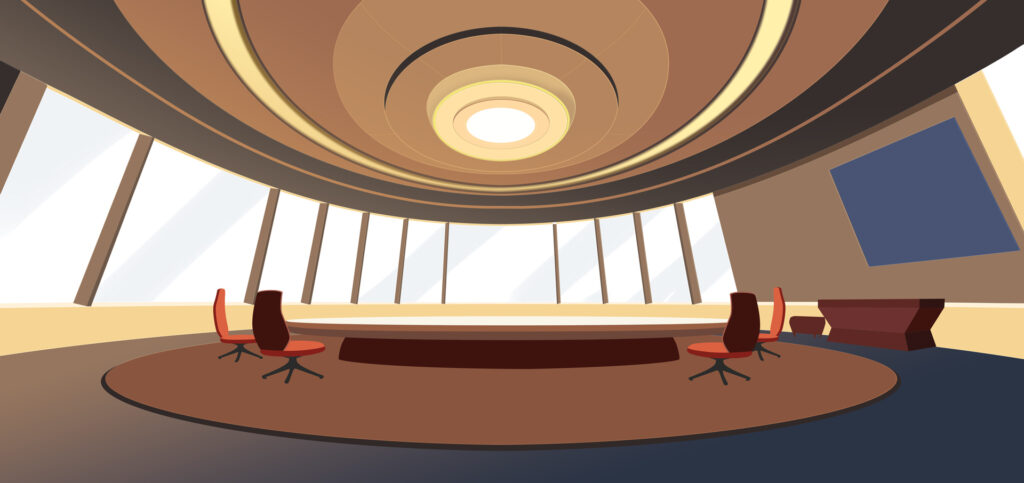
In this study, the focus is on recreating daylight entering through large windows, observing how it interacts with surfaces, defines volumes, and sets the overall atmosphere.
Rather than adding light arbitrarily, the process is about guiding it—controlling intensity, direction, and contrast to achieve a balanced and realistic result.
Building the base and defining the first light direction:
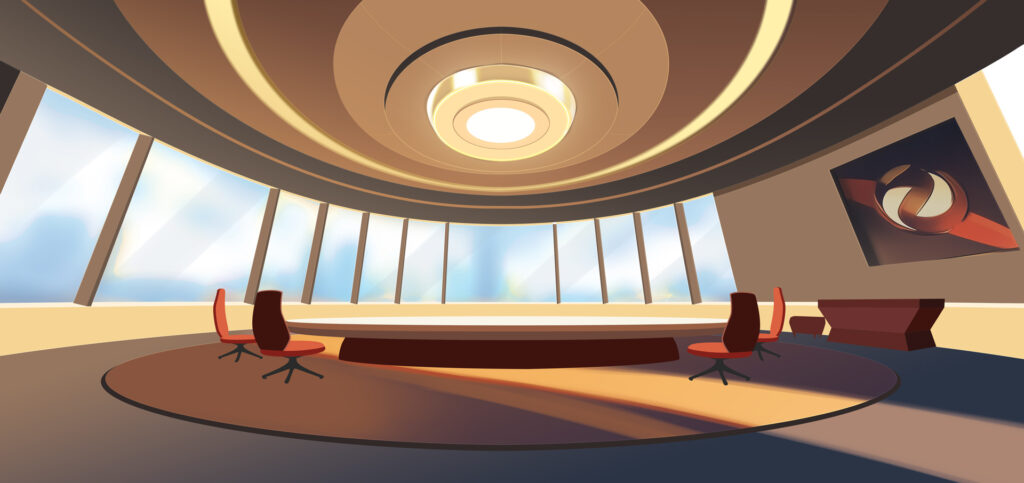
In these first two steps, the process focuses on building a solid base and introducing the initial lighting details.
The goal is to establish the main light direction, define primary shadows, and begin shaping the overall atmosphere before moving into more refined adjustments
“Don’t rush into textures—let the light define the structure first.”
With the lighting properly established, textures and material details are introduced with intention:
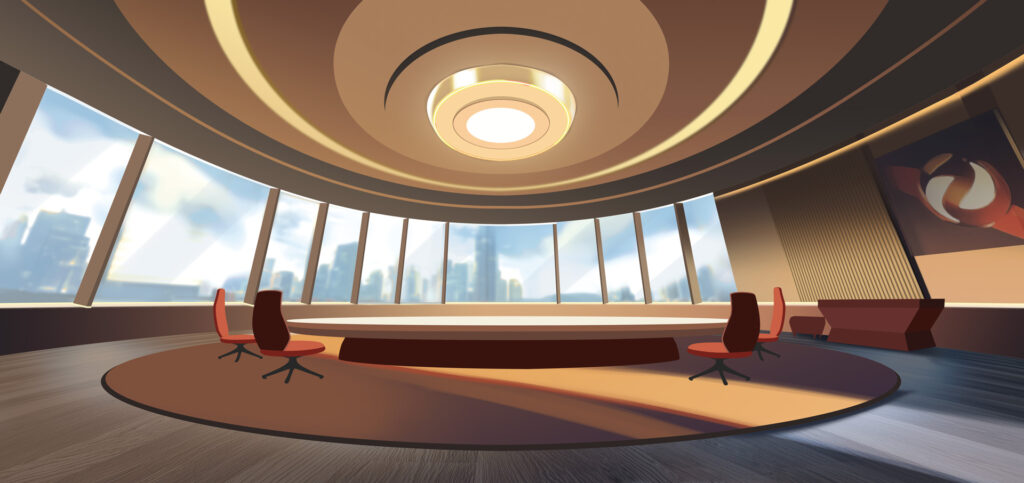
Refinement & Final Adjustments
At this stage, final details are refined and subtle adjustments are made to balance lighting, color, and overall atmosphere.
It’s also common for clients to request changes at this point, even on already developed versions.
Adapting to feedback and refining the scene accordingly is a natural and essential part of the workflow.
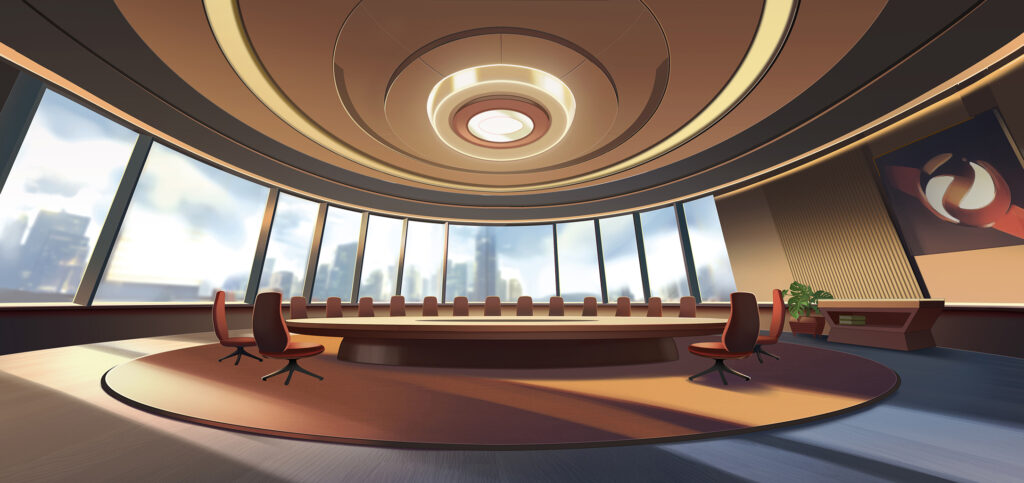
This process is not about following a formula, but about making intentional decisions.
A strong foundation leads to more refined and controlled results.
And here are all the steps to guide you in creating an environment aligned with what studios look for in an environment artist.
Now it’s your turn to explore, experiment, and make it your own. ✨
Take your time, trust your eye, and enjoy the process. Good luck on your journey!!!